
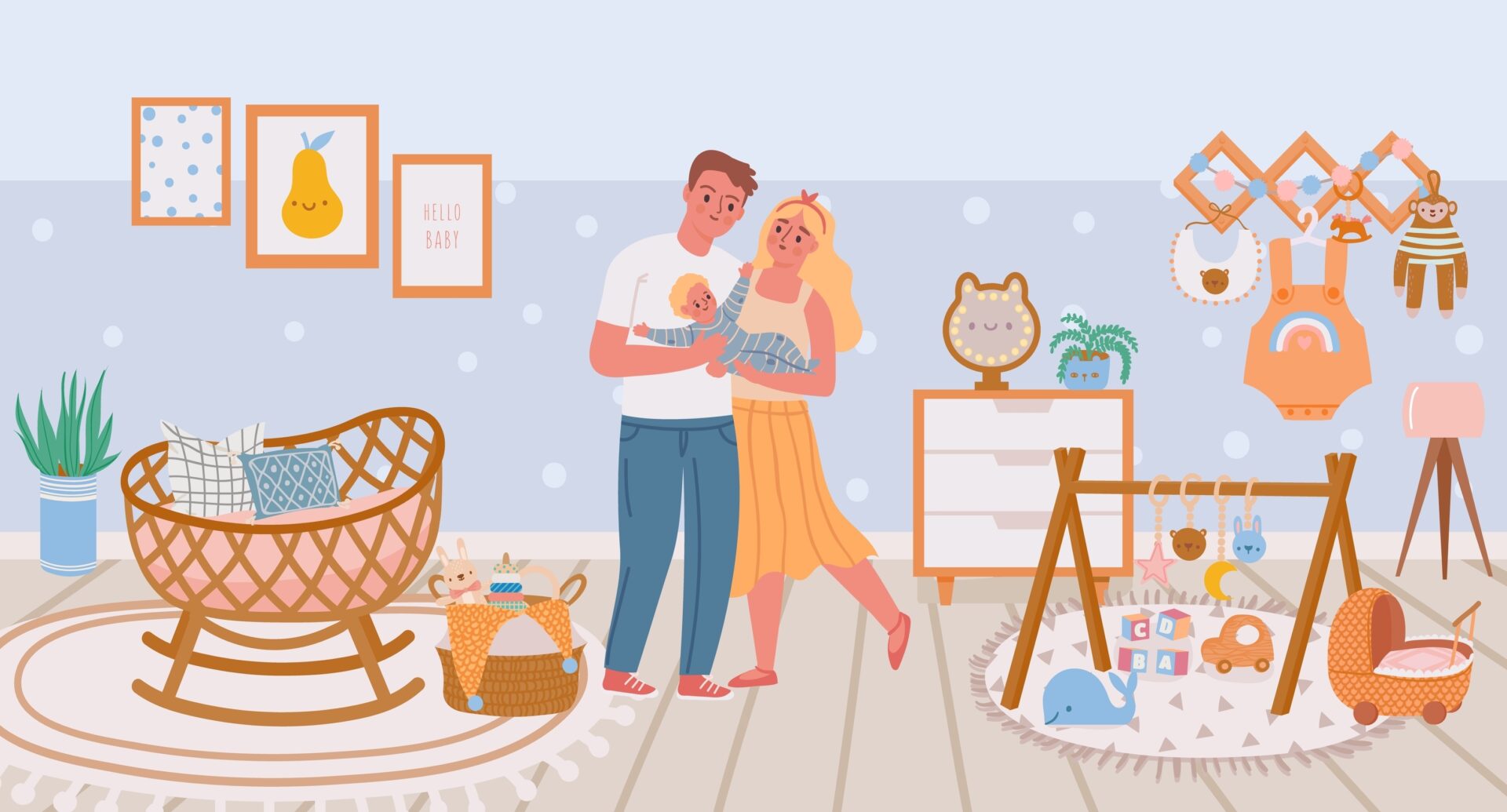
If there’s one thing I hear time and again from tired parents, it’s this: “I’ve tried everything — why won’t my child just sleep?”
The answer is often hiding in plain sight — or rather, in the room itself.
Creating the right sleep environment is one of the most powerful and underrated tools in your sleep toolkit. And the good news? It’s something you can start doing today, without needing to buy anything expensive or overhaul your entire routine.
Whether you have a newborn, a toddler who thinks 5am is a perfectly reasonable wake-up time, or a preschooler who stalls at bedtime like a professional negotiator — these five steps can make a real difference.
Why the Sleep Environment Matters More Than You Think
Babies and young children are incredibly attuned to their surroundings. Unlike adults, who can mentally “switch off” despite a bit of noise or light, little ones are far more sensitive to environmental cues. The good news is that means a few thoughtful tweaks to their room can genuinely shift how easily they fall — and stay — asleep.
Think of it as designing a space that says, “sleep happens here.” The more consistent and calming that message is, the more naturally sleep will follow.
Step 1: Ditch the Clutter
I know it’s tempting to fill your baby’s room with gorgeous mobiles, mountains of cuddly toys, and all the adorable decor you carefully curated during pregnancy. But when it comes to sleep spaces, less really is more.
A visually busy room can be genuinely overstimulating for babies and young children — their brains are still learning to filter sensory information, so all that visual noise can actually work against you at bedtime.
My suggestion? Keep the décor simple and soothing, especially around the cot or bed itself.
And speaking of cots — please do keep them bare. The Lullaby Trust’s safer sleep guidelines are clear: no pillows, no bumpers, no loose blankets, no positioning devices. A firm, flat mattress with a well-fitted sheet is all you need. It’s not just about calm — it’s about safety.
Step 2: Make It Properly Dark
Here’s something that surprises many parents: babies aren’t scared of the dark. In fact, most of them actually sleep better in darker conditions than we do.
The reason early morning wake-ups are so common — especially in spring and summer — is that even the faintest light creeping through curtains can be enough to signal to a little brain that it’s time to be awake. With longer days across the UK meaning brighter mornings from April onwards, this becomes a real issue for many families.
A good blackout blind is one of the most cost-effective investments you can make for your child’s sleep. If you travel regularly — perhaps visiting family or going on holiday — there are portable versions that attach directly to the glass. And if budget is tight, a little tin foil and tape is not glamorous, but it gets the job done.
Step 3: Get the Sound Right
Unlike light — which you have quite a lot of control over — noise is trickier. You can tiptoe around the house all you like, but the postman, the next-door neighbour’s dog, or a delivery driver at 6am doesn’t know your baby’s schedule.
My approach on this is twofold:
- From an early age, let your baby get used to some background household noise. The washing machine, low conversation, a bit of Radio 4 — babies who learn to snooze through gentle ambient sound tend to be more resilient sleepers overall.
- Consider a white noise machine. A lot of families I work with swear by these, and I’m a fan too. White noise works by masking sudden sounds before they register as a disturbance. For it to be effective, it does need to run throughout sleep — but make sure it’s placed across the room, not right next to the cot, and kept at a safe volume.
Step 4: Watch the Temperature
A common mistakes I see, especially with first-time parents, is overdressing babies for sleep out of a desire to keep them snug and cosy. It’s completely understandable — of course you don’t want your little one to be cold! But being too warm can actually disturb sleep and, importantly, is a safety concern.
The Lullaby Trust recommends a room temperature of 16–20°C for babies.
Rather than relying on layers, a well-chosen baby sleep bag (tog rating matched to the room temperature and season) is a much simpler solution. No blankets to kick off in the night, no guesswork — just consistent, safe warmth.
Step 5: Wind Down Before You Even Walk Through the Door
The hour before bed sets the tone for everything that follows. Rowdy play, screens, rough-and-tumble fun — all the lovely things that are perfectly fine during the day — can make it genuinely harder for children to settle when the time comes.
From around 45 minutes to an hour before sleep, I’d encourage you to shift the energy in the room. This doesn’t mean turning into a silent, joyless presence — cuddles, stories, a bit of gentle singing, a calm chat about their day — all of that is wonderful and actually really supportive of sleep.
What you’re doing is signalling to their nervous system: the busy part of the day is over now. Over time, children learn to recognise this wind-down period as a reliable cue that sleep is coming, which makes the actual settling process much smoother.
Quick Reference: Your Sleep Sanctuary Checklist
- Keep it simple — minimal décor, bare cot, calm space
- Make it dark — blackout blinds, especially in lighter months
- Manage sound — build resilience to background noise; consider white noise
- Check the temperature — 16–20°C and a sleep bag rather than layers
- Wind down early — calm, consistent pre-sleep routine from around an hour before bed
Still Finding Sleep a Struggle?
Sometimes, even when the environment is right, sleep just doesn’t come easily — and that’s when a bit of extra support can make all the difference.
At Happy Little Dreamers, I offer personalised, one-to-one sleep support for babies and young children right here in Surrey. I take the time to understand your family’s situation, your child’s temperament, and what you’re actually looking for — because a plan that works for one family might not suit another at all. Whether it’s nap struggles, frequent night waking, or a bedtime routine that’s turned into a two-hour saga, I’d love to help you find a gentle, realistic way forward.
If you’d like to find out more, please do get in touch — I’d be happy to have a chat about how I can support your family.



Recent Comments